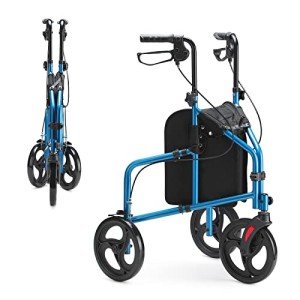
Mobility aids are essential tools that help individuals with physical problems or conditions that hinder their capability to move freely. These aids not just promote independence and improve lifestyle but likewise provide safety and assistance for users in different environments. The landscape of mobility aids is broad, including a range of gadgets tailored to fulfill private needs. This short article aims to check out the various kinds of mobility aids, their benefits, factors to consider for use, and regularly asked concerns.
Mobility aids can be categorized into a number of significant types, each designed to assist in particular ways. Below is a table summing up the most common mobility aids:
| Type of Mobility Aid | Description | Perfect Use Case |
|---|---|---|
| Wheelchairs | A chair installed on wheels used by those not able to walk. | Long-lasting impairment or extreme mobility concerns. |
| Walkers | A frame that provides assistance for people while walking. | Post-surgery healing or balance problems. |
| Canes | A stick utilized for balance and support while walking. | Mild mobility concerns or as a preventive measure. |
| Rollators | A walker equipped with wheels and frequently a seat. | Individuals requiring assistance over longer distances. |
| Crutches | Devices used to elevate and support the body weight of an individual with a leg injury. | Short-term injuries needing non-weight bearing. |
| Scooters | A motorized gadget for those who can sit but not walk long ranges. | Long trips and fatigue-prone people. |
| Raise Chairs | Recliner chairs that raise to assist users in standing up. | Elderly people or those with serious pain. |
Using mobility aids extends beyond mere transport; they serve a number of crucial functions in boosting the wellness of users:
Selecting the appropriate mobility aid can substantially influence an individual's lifestyle. Here are numerous key factors to consider to bear in mind:
Q1: What is the distinction between a walker and a rollator?A1: A walker is a simple frameused for assistance and balance, while a rollator has wheels, supplying simpler mobility and frequently comes with extra features such as a seat and storage. Q2: Can mobility aids be covered by insurance?A2:
Many medical insurance plans, including Medicare, might cover mobility aids if they are considered clinically required. It is suggested to seek advice from your insurance supplier for specific information. Q3: How do I know when it's time to use a mobility aid?A3: If you've experienced frequent falls, relentless pain
while walking, or have difficulty completing daily activities
, it may be time to think about a mobility aid. Speak with a health care specialist for personalized suggestions. Q4: Are there mobility aids created for outdoor use?A4: Yes, lots of mobility aids are specifically created for Outdoor Walker (gitea.zmanplex.com) environments, consisting of scooters, outdoor walkers, and all-terrain wheelchairs, geared up to deal with different surfaces. Q5: Can I use a mobility aid after surgical treatment, like knee replacement?A5: Yes, mobility aids such as walkers and crutches are commonly recommended post-surgery to aid healing and preserve safety as you regain
strength. Mobility aids play an invaluable role in supporting people with mobilityobstacles, helping with self-reliance, and improving total quality of life. With a varied series of options readily available, it's crucial for users to examine their distinct requirements and talk to specialists to choose the most proper aid. As technology and style continue to evolve, these aids will unquestionably end up being a lot more user-friendly and efficient, promoting a more inclusive world for everybody. By comprehending the different types of mobility aids and their particular benefits, individuals can make informed options that enhance their mobility and help with a more active and fulfilling lifestyle.